Himalaya Exploration Tours & Travel is a registered Nepal-based agency specializing in trekking, cultural tours, and custom travel with expert local guidance and reliable service.


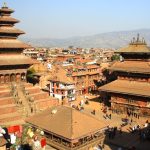
Patan Durbar Square, located in the heart of Lalitpur city, is a UNESCO World Heritage Site celebrated for its unmatched artistry and centuries-old temples. A cultural stronghold of Newar architecture, Patan is home to the exquisite Krishna Mandir, Hiranya Varna Mahavihar (Golden Temple), and the impressive Royal Palace Museum.
What sets Patan apart is its dedication to detail—stone carvings, metalwork, and wooden facades that represent the peak of Nepalese craftsmanship. The square remains a living center of worship, artisan practice, and cultural gatherings, especially during festivals like Rato Machindranath Jatra.
Whether you’re interested in architectural photography, ancient art, or traditional Buddhist and Hindu rituals, Patan offers rich, immersive experiences just a short drive from Kathmandu. A visit here is a deep dive into the soul of Nepal’s artistic heritage.

Patan Durbar Square is the historic royal palace complex in Lalitpur, just south of Kathmandu. This site is famous for its exceptional Newar architecture, with intricately carved wooden windows, stone temples, and metalwork that highlight Nepal’s centuries-old craftsmanship. The square is home to iconic landmarks like Krishna Mandir, a 17th-century stone temple with detailed carvings, and the Golden Temple, an exquisite Buddhist monastery adorned with gilded metal decorations.
As a living cultural hub, Patan Durbar Square remains an active place of worship and celebration, hosting numerous festivals and religious events throughout the year. The area offers visitors not only architectural beauty but also an immersive experience in Nepalese art, religion, and traditional lifestyles. Nearby, the Patan Museum presents a rich collection of sacred artifacts and historical exhibits.
Its proximity to Kathmandu makes Patan Durbar Square easily accessible while offering a quieter, more intimate atmosphere for exploration. Visitors are encouraged to respect local customs, dress modestly, and consider hiring a guide to fully appreciate the rich history and symbolism present throughout the square.
Patan Durbar Square, located in the city of Lalitpur just south of Kathmandu, is one of Nepal’s most remarkable cultural and architectural treasures. As one of the three Durbar Squares in the Kathmandu Valley designated a UNESCO World Heritage Site, Patan Durbar Square offers visitors a rich blend of history, art, and spirituality. Known for its exquisite Newar architecture, intricate wood carvings, and vibrant cultural scene, Patan Durbar Square is a must-visit destination for anyone interested in Nepal’s heritage.
Patan Durbar Square lies in Lalitpur, often called the “City of Fine Arts,” and is easily accessible from Kathmandu by a short drive or local transportation. Situated in the heart of the city, the square is a lively hub surrounded by narrow lanes, traditional shops, bustling markets, and local eateries. Its central location makes it an ideal stop for travelers exploring the Kathmandu Valley’s rich historical sites.
Dating back over 1,500 years, Patan (Lalitpur) is one of Nepal’s oldest cities, with the Durbar Square at its core reflecting centuries of artistic development and royal history. The square served as the royal palace complex for the Malla kings who ruled the Kathmandu Valley, and its architecture showcases the pinnacle of Newari craftsmanship.
The square is adorned with numerous temples, courtyards, statues, and palaces that display intricate wood, stone, and metal carvings. The Krishna Mandir, built in the 17th century in the Shikhara style, is one of the most famous temples in the square, celebrated for its detailed stone carvings depicting scenes from Hindu mythology. Nearby, the Hiranya Varna Mahavihar (Golden Temple) is a stunning example of Buddhist architecture, highlighting Patan’s religious diversity.
The royal palace complex itself is a labyrinth of courtyards, each with its own distinct charm. The Sundari Chowk courtyard features elegant windows and balconies with delicate carvings that exemplify Newari artistry. Patan Durbar Square’s architectural ensemble offers a unique glimpse into Nepal’s medieval past and the fusion of Hindu and Buddhist traditions.
Patan Durbar Square remains a vibrant cultural and religious center. Numerous festivals and religious ceremonies take place here throughout the year, involving traditional music, dance, and rituals that draw locals and visitors alike. Major festivals such as Rato Machhindranath Jatra and Indra Jatra showcase centuries-old customs and community celebrations.
The square is home to both Hindu and Buddhist shrines, reflecting the harmonious coexistence of the two religions in Nepal. Temples and stupas are active places of worship, and visitors can observe daily rituals, prayer offerings, and the ringing of temple bells that enrich the spiritual atmosphere.
Known as the “City of Fine Arts,” Patan is renowned for its skilled artisans and craftsmen. Around the Durbar Square, visitors can explore workshops where traditional metalwork, wood carving, paubha painting (Nepalese scroll art), and pottery are practiced and sold. The intricate detailing found throughout the square is a testament to generations of dedicated artisans who have preserved and advanced their crafts.
Many shops and studios offer opportunities for tourists to purchase authentic handmade souvenirs, supporting local artisans and preserving cultural heritage.
Patan Durbar Square is a lively and engaging destination offering a wide range of experiences:
Architectural Exploration: Wander through the courtyards and admire the exquisite temples, palaces, and statues.
Museums: The Patan Museum, housed in a historic palace building, features a rich collection of traditional arts, religious artifacts, and cultural exhibits that deepen understanding of Nepalese history.
Local Markets: Stroll through nearby bazaars offering traditional crafts, jewelry, textiles, and spices.
Cultural Festivals: Time your visit to coincide with major festivals to witness colorful parades, masked dances, and community celebrations.
Photography: The square’s ornate structures, vibrant street scenes, and devotional activities provide excellent photography opportunities.
The best time to visit Patan Durbar Square is during the spring (March to May) and autumn (September to November) seasons when the weather is pleasant, and festival activities are frequent. These periods provide clear skies and comfortable temperatures, ideal for exploring outdoor sites.
Visiting during major festivals enhances the cultural experience, but the square remains a captivating destination year-round. Winters are cooler but less crowded, while the monsoon season brings occasional rain that may limit outdoor activities.
Patan Durbar Square was significantly affected by the 2015 earthquake, which damaged several historic structures. Since then, extensive restoration efforts have been underway to preserve and rebuild the square’s architectural heritage. These projects are carefully managed to maintain historical accuracy while improving structural safety.
Conservation efforts continue to protect Patan Durbar Square from the pressures of urbanization and tourism, balancing preservation with sustainable visitor management.
Patan Durbar Square is an essential destination for travelers seeking to experience Nepal’s artistic heritage, architectural brilliance, and vibrant cultural life. Its well-preserved temples, palaces, and museums provide a deep understanding of the Kathmandu Valley’s history and traditions. The square’s lively atmosphere, combined with opportunities to witness active religious practices and local crafts, offers a rich and immersive experience that complements any visit to Nepal.

This will close in 20 seconds